 denjell
29 de julio de 2024
denjell
29 de julio de 2024
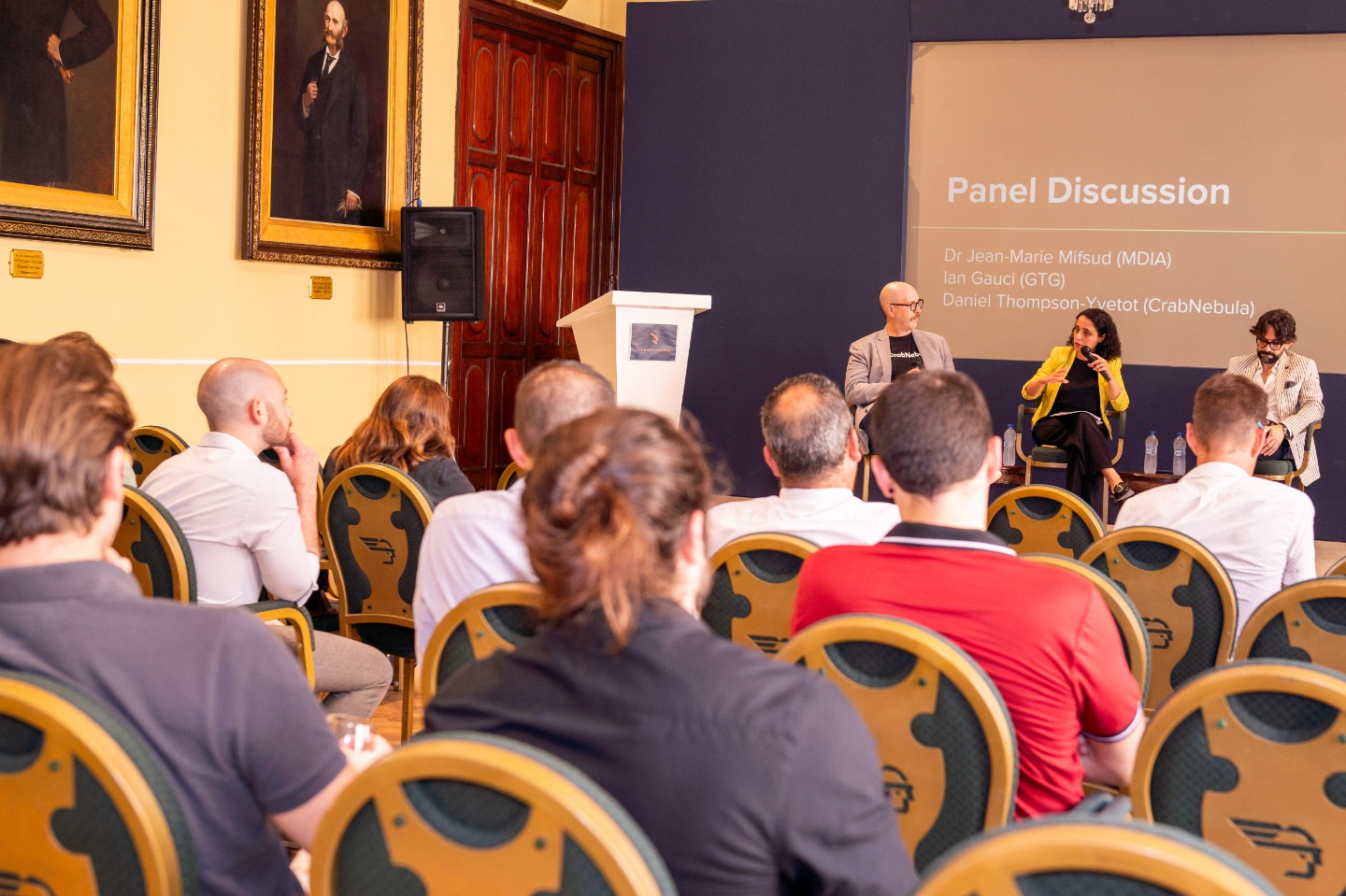
On the 24th of July, 2024, at the Malta Chamber, Jean-Marie Mifsud (Chief Innovation Technology Officer, Malta Digital Innovation Authority) and Ian Gauci (Managing Partner, GTG Advocates) joined me (CEO, CrabNebula), on stage to talk about the Cyber Resilience Act. A livestream was provided, with support of NGI, so please feel free to read to the end of this post to listen to the full recording of the conversation.
The Cyber Resilience Act (CRA) is a piece of European legislation (expected to enter force in September of 2024) that places cybersecurity requirements on the manufacturers of software who sell their digital products on the European Single Market.
This is important, because all of us are touched by software, and when things go wrong, people's lives can be negatively impacted. Indeed, the world was still recovering from Crowdstrike's botched update just a few days before the seminar, so the impact of poor software controls was particularly present in the mood of the room. Malta, after all, is really a place that most people reach by airplane - and many cash machines still use Windows operating systems.
The panel discussion introduced key aspects of the CRA, including what types of products needs to comply with its regulations (any product with data connectivity), what the regulation itself consists of, and when the rules will be applied. There was an introduction to the Blue Guide, as well as a presentation about risks and opportunities within the business field.
Aside from the academic and faithful representation of the act from the Regulatory, Legal, and business perspectives, I found four insights to be particularly interesting.
There is a great conversation in the full audio recording, so please feel free to listen to it here: Making-Software-Safer.mp3
Photo: Luis Alberto Sanchez