 kaodro
16 de diciembre de 2024
kaodro
16 de diciembre de 2024
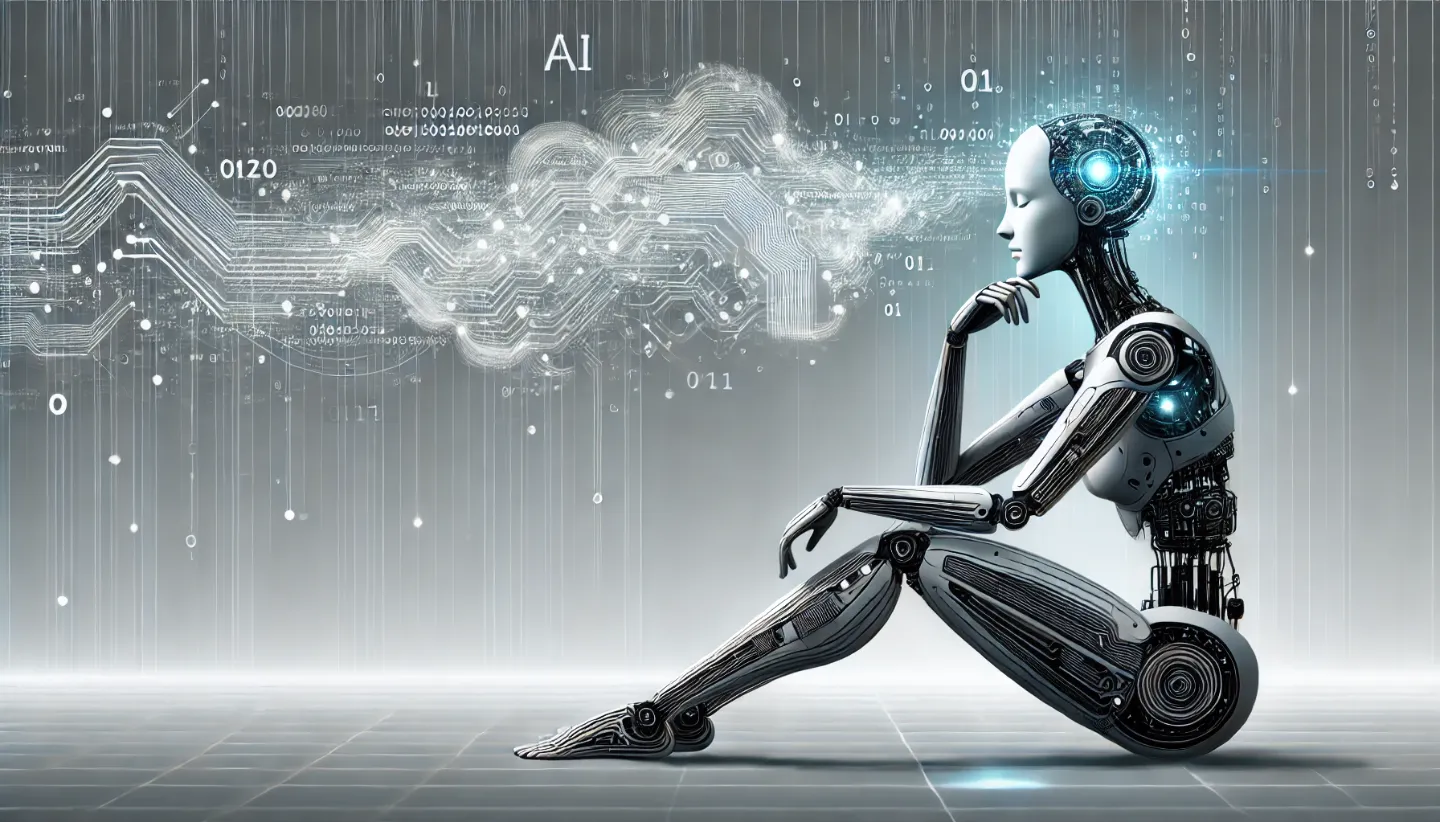
Picture this: You’re chatting with an AI assistant about your weekend plans. It responds with a cheerful tone, suggesting activities based on your preferences, and even cracks a joke. For a moment, you feel like you’re talking to a friend.
Humans have always been prone to seeing humanity in non-human things. We name our cars and talk to our pets, and now, we interact with AI as if it’s one of us. This tendency, known as anthropomorphization, helps children make sense of their environment and remains a key part of how we interact with the world. Today, this psychological quirk meets its most sophisticated application yet: artificial intelligence.
While early systems (like ELIZA in the 1960s) already evoked feelings in users despite being rudimentary, I feel like with generative AI, for the first time in the history of human-machine interaction, the machine is giving humans the impression of genuine interaction and evokes true feelings “at scale”and in perpetuity. That begs us to take a moment and reflect: what is changing, and how will it affect our emotional landscape in the future? How might the world of our children look like if we don’t reflect on what we want, and how if we do?
We find ourselves at the beginning of an unprecedented psychological experiment where AI companies intentionally blur the lines between machine and companion. But while this phenomenon makes technology more accessible and friendly in the eyes of many people - and probably, in some cases, helps with AI acceptance (which might or might not be a good idea) - it also comes with a mix of promises and challenges that we’re only beginning to understand.
Navigating the Human-AI Relationship
The anthropomorphization of AI and the emotional and moral power that comes with it is a surface that can be used either to enhance our capabilities and wellness or to manipulate and create dependencies and addiction. While it can make our lives easier and happier, it can distort genuine human social connections.
Some of my friends use a chatbot as a coach to help them be more disciplined at work or get better at meditation. Another friend uses a chatbot to help her through a hard time when her therapist doesn’t have time for a session. She says it is not a replacement, but it “helps her to self-soothe” by externalizing the conversation. The creators of dedicated AI companions, such as “Replika,” claim their applications will help solve loneliness. Another popular one, Character.ai, wants to help you “vibe” with your favorite fantasy figures. However, while there might be some promise and fun, such applications also have serious dangers. Once deep in it, it is easy to forget that AI doesn’t have genuine emotions (remember the movie “Her”?). Even if most of us would cognitively understand that the AI assistant we’ve been confiding in doesn’t “really” understand us—it’s just following a script —emotions are powerful. Suddenly, that realization can feel like a betrayal. Stories of people who got emotionally attached and reliant on their AI boyfriends or girlfriends and then went through real emotional pain of separation or betrayal when the company had to change their companion profile or the AI started behaving in strange ways are out there more and more. Or it can get much darker, too.
Emotional attachment is a powerful tool, and we need to be wary of the consequences of projecting human emotions on machines. Then, we can take it a step further and think through potential manipulation or persuasion for political or commercial reasons that might reach the next level with such systems. Scary.
These examples only scratch the surface, but hopefully, they make it clear that we shouldn’t let what is happening evolve without intervention. The AI-powered avatars of the future that we can hear, see and feel should help us go about our daily life struggles and joys and the interactions should feel seamless and organic. However, the lines between humans and technology should never be blurred. Setting binding and tangible standards and designing our technologies to always prioritize and enhance human-to-human connections with the goal of maintaining and protecting what is unique about our nature: creativity, connection, love, imagination, memories, and understanding of ethics, is essential. Areas such as art, (mental) health, justice and even journalism should never be fully taken over by AI. Our mental health could be supported by AI but also protected from the traps of automation - a conversation with a real human should never be erased from that loop.
I imagine a reality where I don’t go on a date with AI but an AI buddy could help me to choose an outfit and create time in my schedule so we can meet a real human. A reality where our kids have real friends but an AI buddy helps them to learn in a way that is effective. The AI should enhance but not replace what makes us human.
We should recognize this key moment in time and pull together. Our future intimate and casual interactions with AI should feel safe, trustworthy, and healthy because we have created systems that anchor this trust. We can’t just regulate as usual, as this is not “business as usual.” What can we do then? Pending further and much deeper research from the top of my head, three things came to my mind that maybe this community can help iterate on:
Our relationship with AI represents a profound psychological experiment. We are learning not just about technological capabilities but about ourselves—our capacity for connection, psychological adaptability, and fundamental need for meaningful interaction. As AI continues to evolve, so too must our psychological understanding and ethical frameworks.
I will keep thinking about this topic and would love to hear what it evokes in your brain. Let me know in an old-school human-to-human way!