 gataca
18 de marzo de 2024
gataca
18 de marzo de 2024
The Internet has changed our lives in many ways, making things easier and more accessible. But there's a downside, and it is the little to no control over our information online. Companies track what we do and store our data, and we're not even sure what they do with it.
But there's hope for a better, safer Internet —one in which all online interactions are private and secure without compromising user experience.
This is where decentralized identity comes into play.
Decentralized identity, also called Self-sovereign Identity, is a new technology that lets you hold verified information and documents in an ID wallet on your phone for simpler and more secure access to digital services.
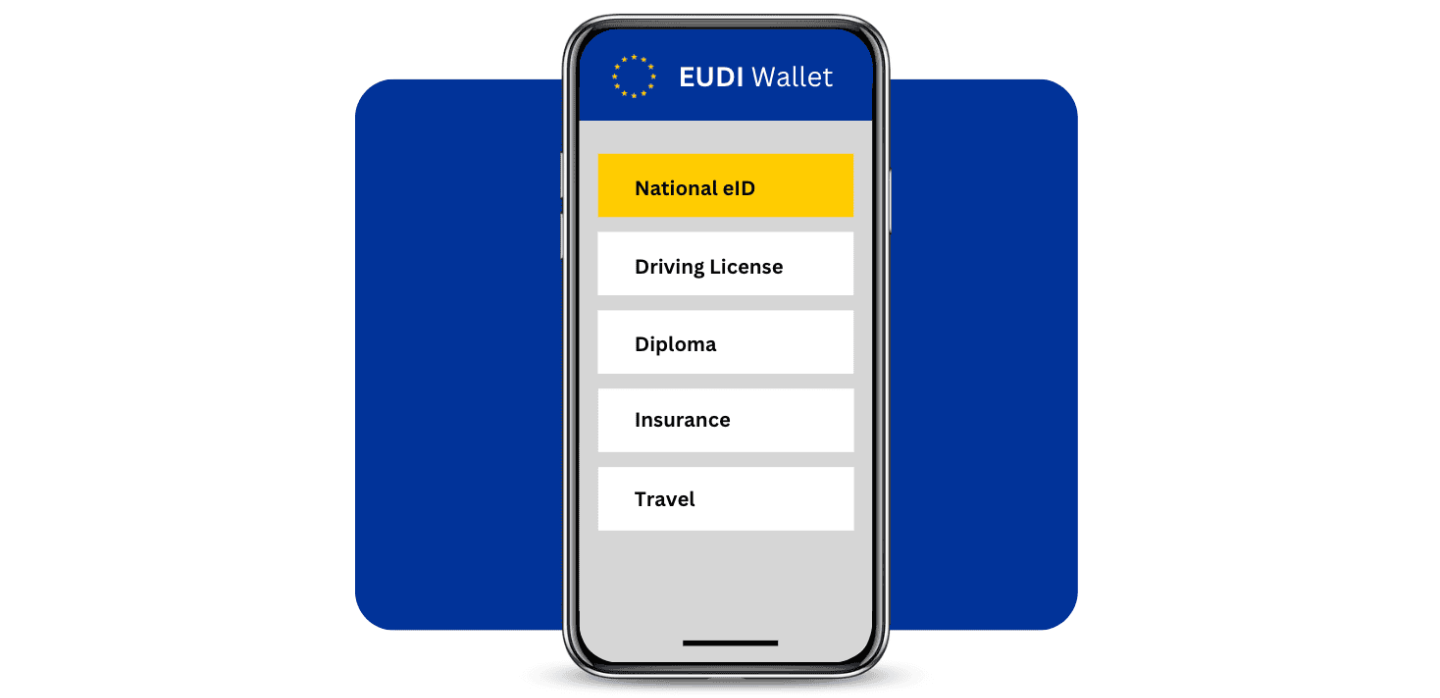
Think of an ID Wallet like the digital payment wallets we use, such as Apple Pay or Samsung Pay, but with more types of credentials, like your national ID, driver's license, academic diploma, or health records.
Protected with strong security measures, like encryption and biometrics, using this solution is simple. You just scan a QR code and agree to share what's needed - no more passwords or filling out long forms.
And there's an added bonus: you have total control over your data. You get to choose who can see it, what they can see, and when they stop having access. And guess what? This isn't just a far-off idea; it's already happening around the world.
As mentioned in this article, Europe is taking big steps toward a decentralized identity. The recent approval of the new eIDAS regulation, eIDAS 2.0, aims to improve the security and reliability of electronic identification and trust services by introducing a European Digital identity Wallet.
This wallet is a mobile app that Member States will offer to their citizens, residents, and businesses to store these digital credentials and, therefore, prove their identity and personal information in different services and scenarios across the European Union in a simple and compliant manner.
As a result, its implementation has inspired private and public organizations across Europe to work on digital identity initiatives, ranging from large-scale national systems to targeted pilots.
In this context, the NGI community has actively contributed to promoting open and trusted digital identity solutions through projects like the NGI Essif-Lab program and events such as the NGI Forum.
At Gataca, we're proud to be part of this movement, contributing to the advancement of Self-Sovereign Identities and collaborating with the NGI community to build a more secure and user-centric internet.
✨We recently held an event where we explored the critical implications of user indifference towards privacy for the future of the Internet by delving into the serious consequences of neglecting digital privacy: Privacy's Price—Why Indifference Poses a Mortal Threat to the Internet.✨
If you are interested in digital privacy and everything related to digital identities, I recommend you don't miss it🤩
👉 Enjoy the entire session by clicking here.